Solar
Solar modules.
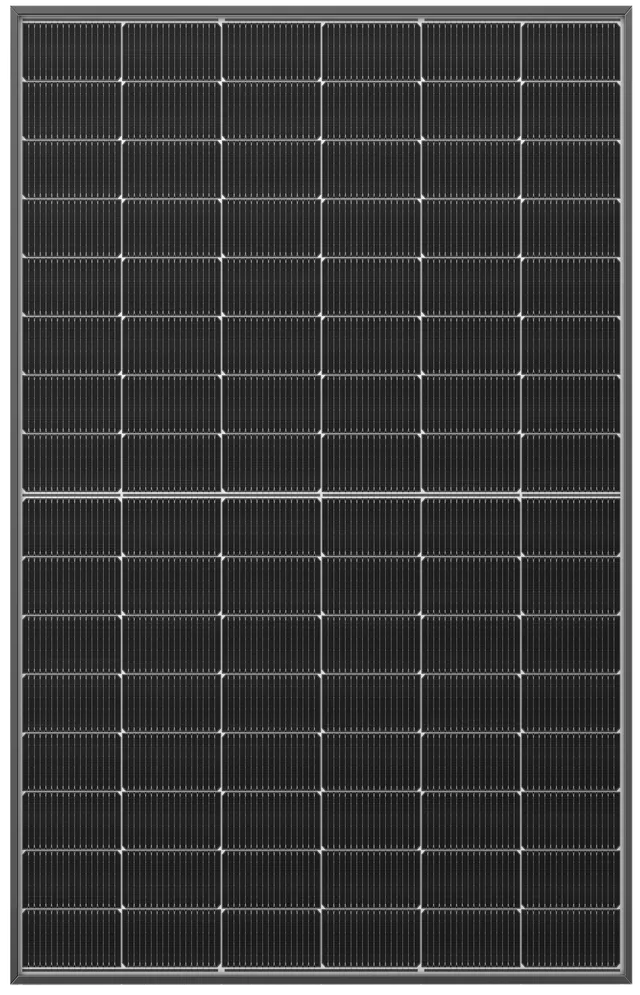
n-type TOPCon technology across every scale — large-format modules for solar farms and commercial roofs, compact panels for homes.
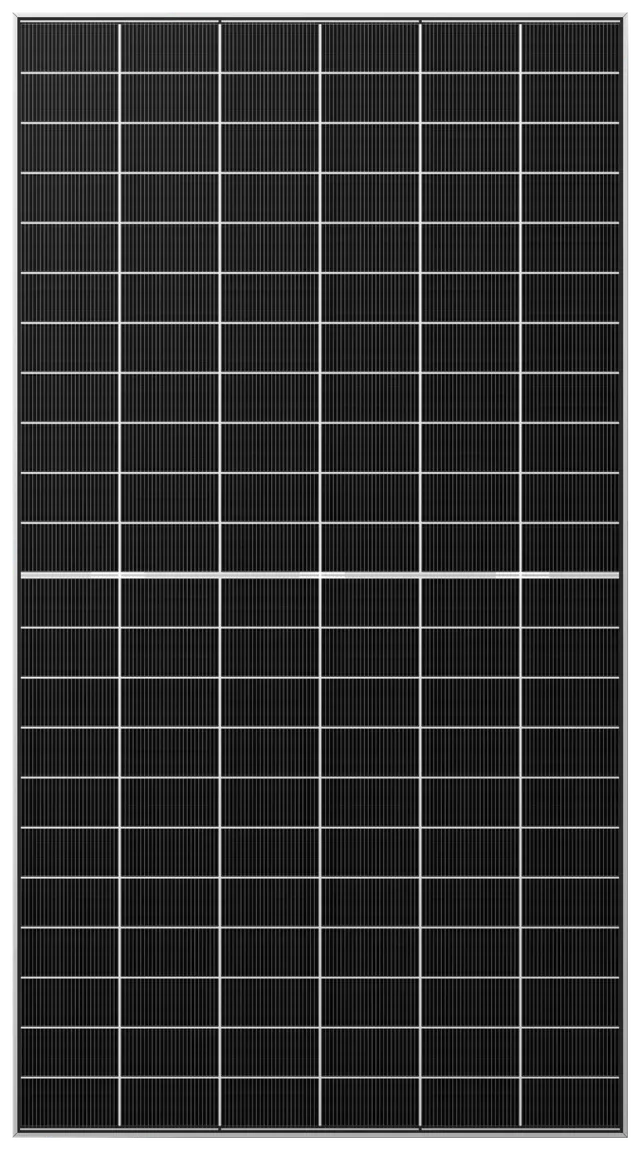
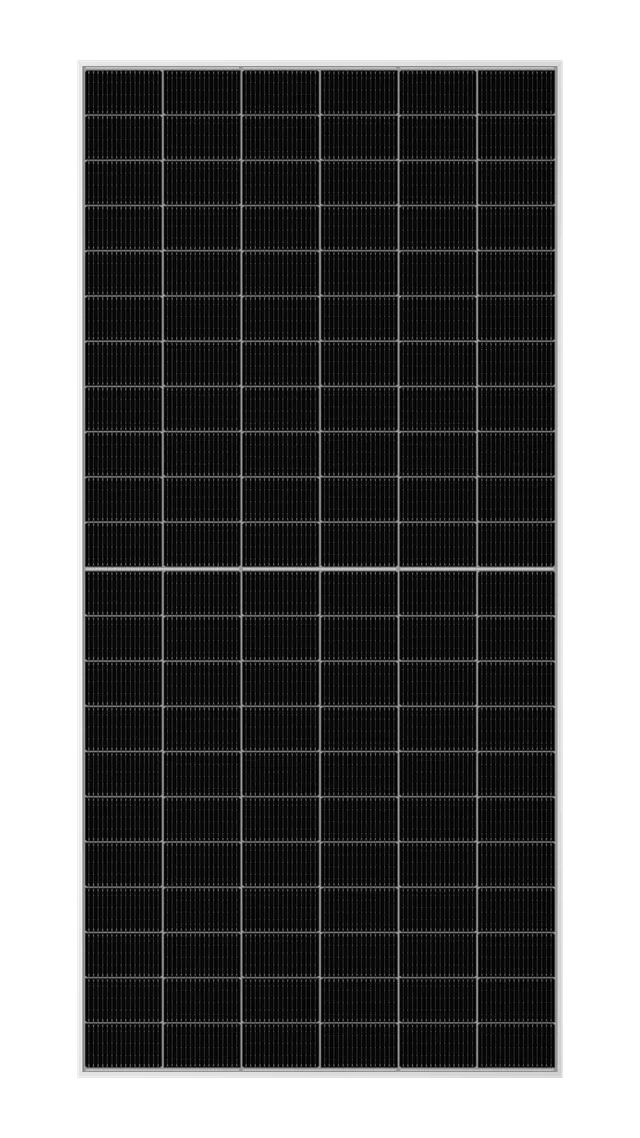
Hyper-ion Pro · Utility & C&I
Keeps its cool when the country can’t.
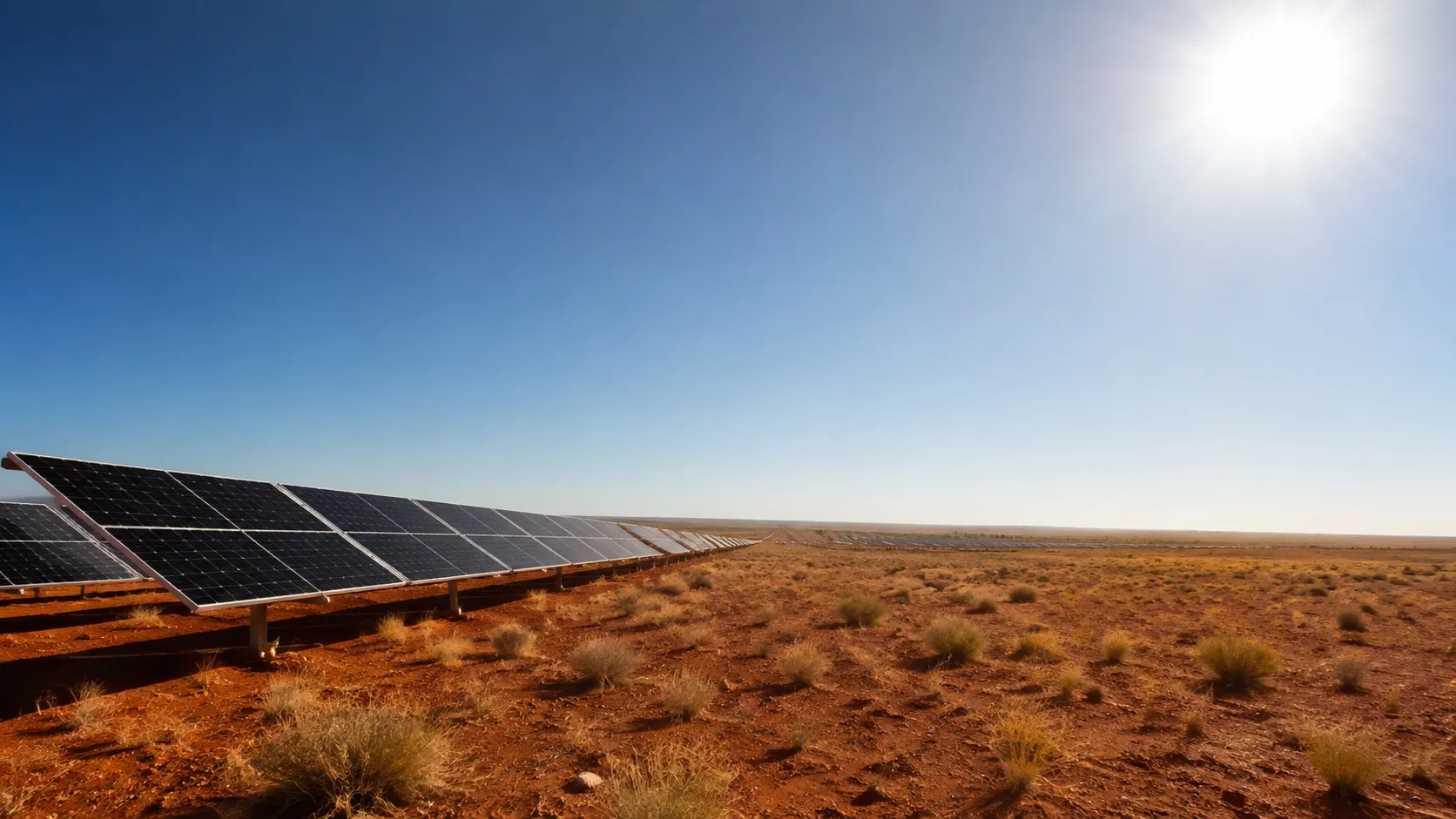
Every Australian knows the days we mean. The hot northerly, the sky gone white with heat, the whole country reaching for the air-con at once. That’s the moment the grid needs solar most — and the moment ordinary panels quietly fade, giving up a slice of their power for every degree they bake. Hyper-ion Pro was built for those afternoons. Its HJT cells hold on to more than 90% of their rated power even at 65°C, so the panel that shines on the spec sheet still shines at three o’clock in January — this summer, and thirty summers on.
| Cell temperature | Power output |
|---|---|
| 25°C | 100.0% |
| 35°C | 97.6% |
| 45°C | 95.2% |
| 55°C | 92.8% |
| 65°C | 90.4% |
| 75°C | 88.0% |
Hyper-ion Pro is our utility and C&I flagship. For homes, our residential module uses n-type TOPCon cells.
FAQ
Common questions.
Is Risen a Tier-1 solar manufacturer?
Yes. Risen Energy is a Tier-1 module manufacturer with 118 GW+ shipped worldwide, and has supplied the Australian market since 2008 with local stock, support and warranty.
What cell technology do Risen modules use?
Risen’s current modules use n-type TOPCon cells, with the flagship Hyper-ion range built on heterojunction (HJT) technology — both newer, higher-performing alternatives to the older p-type PERC cells.
Where can I buy Risen solar panels in Australia?
Risen modules are supplied through accredited Australian distributors and retailers. See our partners page for where to buy, or talk to our team about your project.
Does Risen make residential solar panels?
Risen makes modules for every scale, from large-format utility panels to compact residential ones. The Australian residential range is currently being added — talk to our team about availability and current models.
Built tough
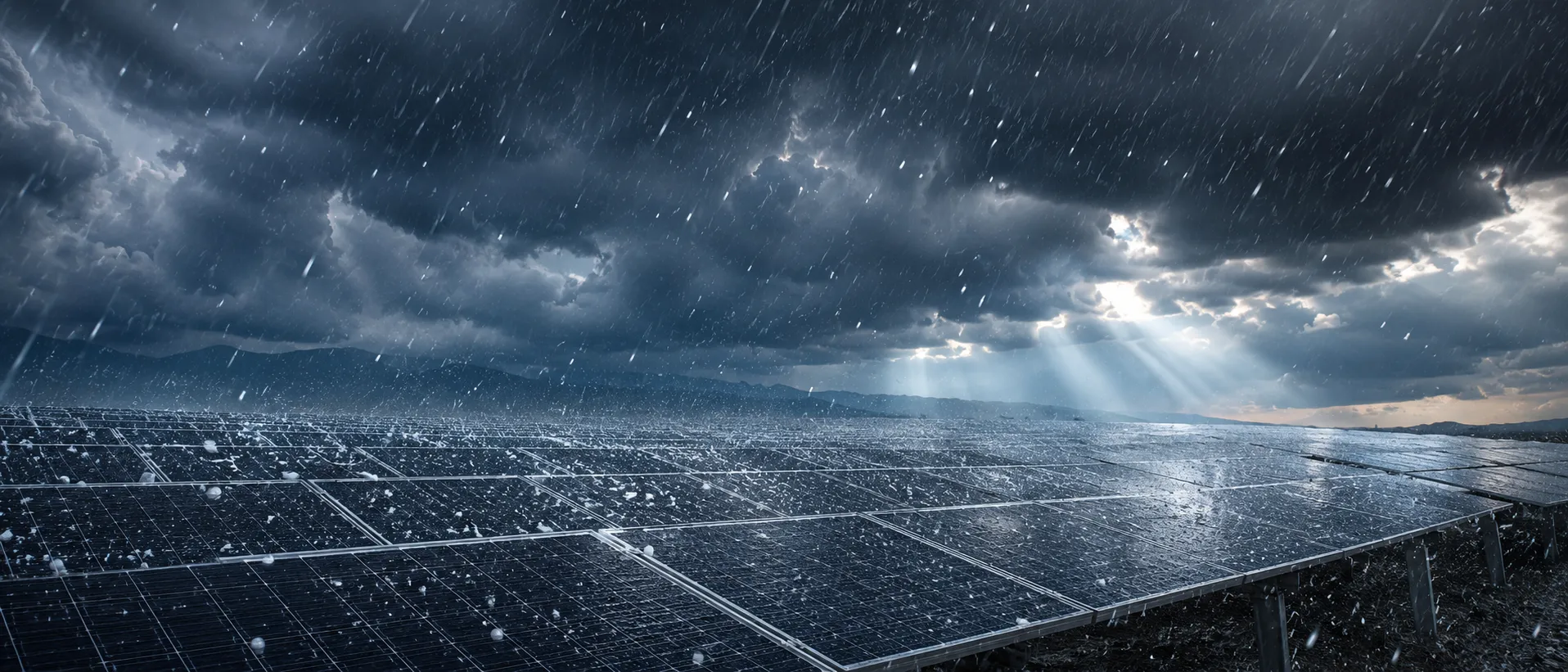
Engineered to shrug off hail.
Heat-strengthened dual glass, a 5400 Pa load rating and independent hail testing beyond the IEC 61215 standard. In our own lab, we hit a panel with two heavy-hail ice balls, back to back — not a mark.
See the test, the video and the numbers